What is the g-value?

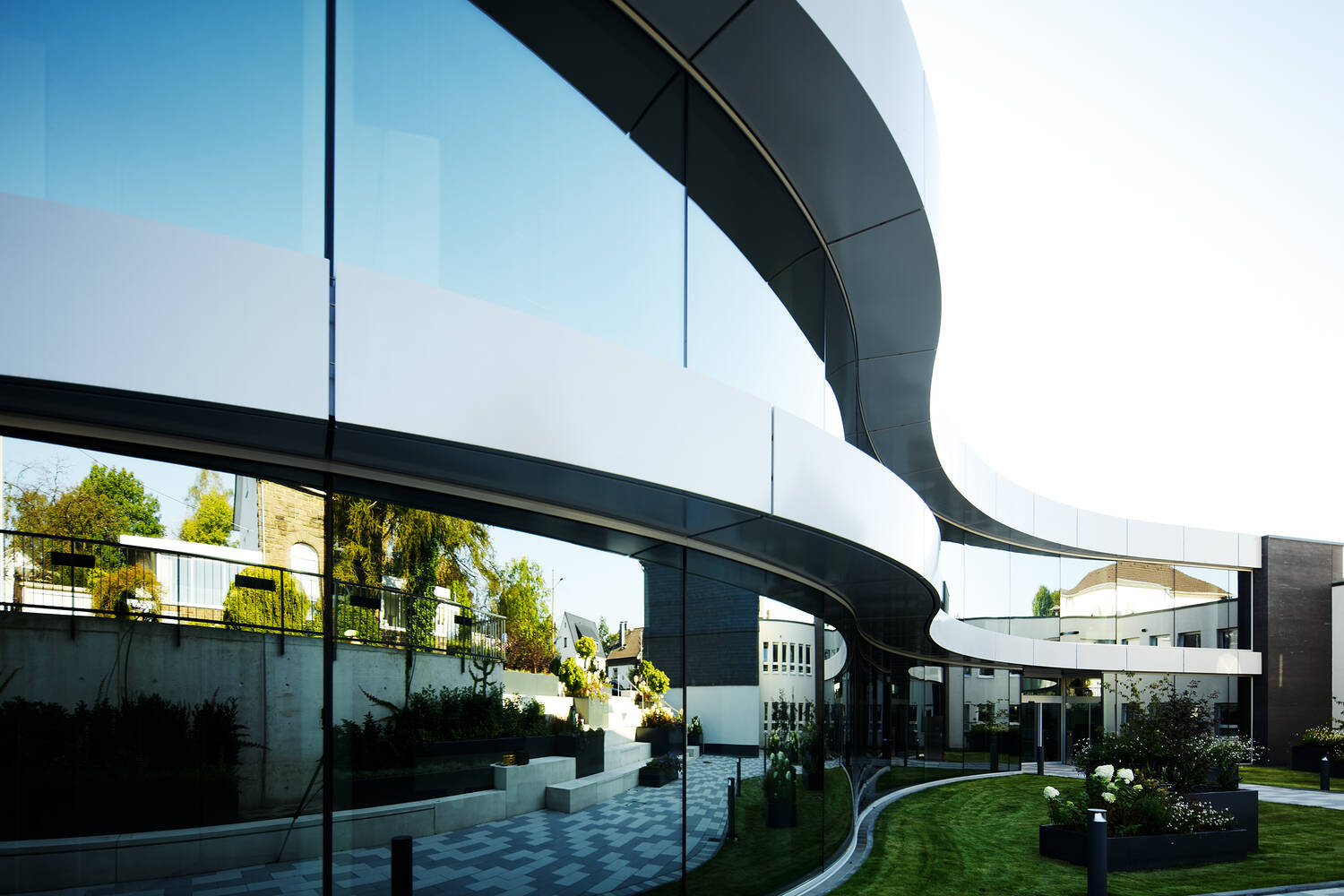
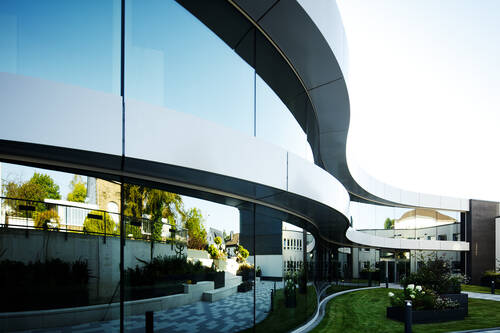
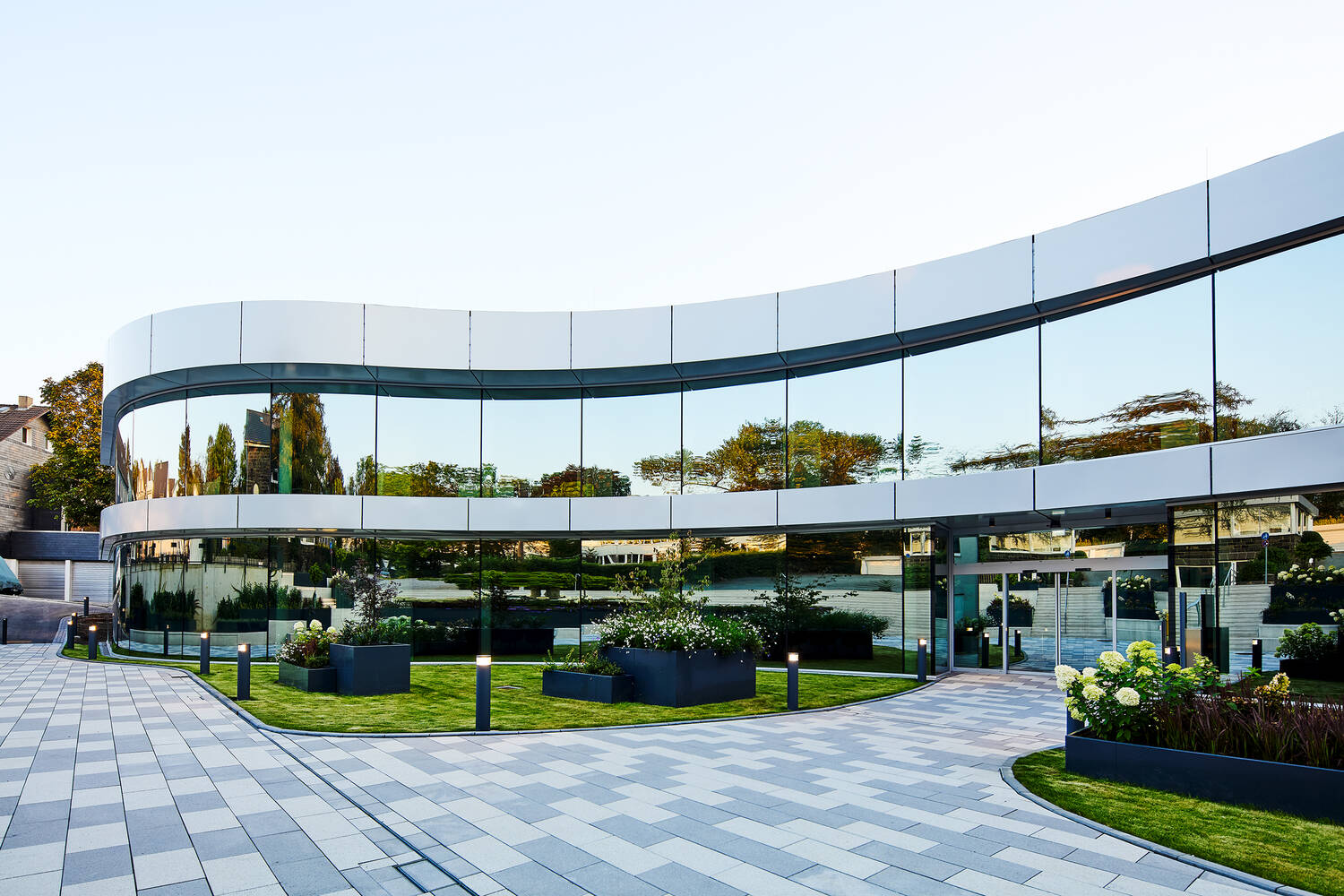
Exterior view of the Wera Werkzeuge corporate building in Wuppertal-Cronenberg featuring a modern ISOLAR glass facade that reflects the brand's innovative spirit.

Practical Guide to Total Solar Energy Transmittance

In modern architecture, every detail counts when it comes to energy efficiency, indoor comfort and sustainability. One of the key performance indicators in building design is the so-called g-value, also known as the total solar energy transmittance. It determines how much solar energy passes through a glazing system into the interior — and thus influences the thermal balance between light, heat and comfort.

But what exactly does this value mean? Why does it play such a central role for architects, planners and investors in commercial and institutional buildings? And how can innovative glazing solutions — such as the solar control systems from ISOLAR SOLARLUX® — achieve optimal g-values for any building situation?

Definition and Significance of the g-Value

The total solar energy transmittance (g-value) describes the percentage of solar energy — consisting of direct radiation and secondary heat release — that enters the interior through a glazing system.

It is made up of two components:

  1. Direct transmission: the proportion of short-wave solar radiation that passes directly through the glass.
  2. Secondary heat release: the proportion of radiation absorbed by the pane, converted into heat, and then re-emitted into the room.

A g-value of 0.60 therefore means that 60% of the incoming solar energy reaches the interior.

  • High g-value (0.50–0.65) → more solar gains, useful in cooler climates or on north-facing façades.
  • Low g-value (0.25–0.40) → stronger solar protection, ideal for south-facing façades or modern glazed architecture with large surfaces.

In practice, the g-value determines a building’s cooling and heating demand — and therefore its overall energy efficiency throughout the year.

View ISOLAR SOLARLUX®

The g-value in the building physics context

The g-value is part of a group of physical parameters that describe the performance of a glazing system. Together with the U-value (thermal transmittance), it provides a complete picture of the thermal behaviour of the building envelope:

ParameterMeaningTarget value
U-value [W/m²K]How much heat is lostas low as possible
g-value [%]How much solar energy enters the interiordepends on use & orientation
Lᵀ [%]Light transmission – how bright the room becomesas high as possible while maintaining a low g-value
RaColour rendering index – optical quality≥ 90 for natural light conditions

Important: While the U-value reduces energy losses, the g-value determines how much solar energy is blocked in summer and utilised in winter. The challenge lies in balancing both values optimally.

How the g-value is measured and specified

The determination of the g-value is carried out according to EN 410 and ISO 9050. The glazing’s transmission behaviour is measured across the entire relevant wavelength range (300–2,500 nm).

Standardised test spectra and angle settings ensure that values from different manufacturers remain comparable. For architects, this means: the figures are objectively measurable, relevant for planning, and can be directly integrated into simulation tools such as Dialux, Revit or PHPP.

Typical g-values of modern solar control glass

Glazing has advanced significantly in recent years. Multifunctional coatings, noble gas fillings and optimised layer systems now enable much lower g-values while maintaining high light transmission.

Examples from the SOLARLUX® product line show how strongly technology and aesthetics can be combined:

Glass build-upLight transmissiong-value (%)U-value (W/m²K)Colour rendering
A71 //70371.096
A61 //61331.093
D60 //58401.197
E71 //70391.097

This means ISOLAR SOLARLUX® systems cover a wide spectrum. Architects can vary the glazing according to façade orientation, while the building retains a consistent appearance thanks to similar colour characteristics.
North and east façades benefit from higher g-values, while south and west façades benefit from selective glazing with reduced solar energy input.

Selectivity – the key to balancing light and heat

An important quality indicator is selectivity (S). It describes the ratio between light transmission (Lᵀ) and solar energy transmittance (g):

S = Lᵀ / g

The higher the value, the more daylight enters while heat gain is reduced. A selectivity value above 1.5 is considered very good — ISOLAR SOLARLUX® glazing reaches values up to 1.9, meaning excellent daylight utilisation with effective heat protection.

For planners, this provides greater design flexibility, as high transparency is possible without overheating.

Factors influencing the g-value

Several parameters affect how the g-value behaves in practice:

  • Coating technology: Modern low-E and solar control coatings reflect infrared radiation while allowing visible light to pass through.

  • Colour & reflection: Neutral glass avoids colour distortion, while slightly tinted variants can create targeted design accents.

  • Internal systems such as SOLARLUX® variodirect: Venetian blinds inside the insulating glass unit enable variable control of the g-value — from open (high light transmission) to closed (minimal heat absorption).

These factors show: the g-value is not a fixed material property, but a planning parameter that can be adapted to usage, orientation and comfort requirements.

Online inquiry

Sustainability and comfort through optimised glazing

A well-chosen g-value is a key contribution to sustainable building design. It reduces the need for air conditioning, improves thermal comfort and simultaneously ensures high light quality.

ISOLAR SOLARLUX® glazing combines high energy efficiency, thermal comfort, and architectural design freedom in a single system.

  • low Ug-value for minimised heat loss,
  • graduated g-values for different façade orientations,
  • high colour neutrality and light transmission,
  • combinable with functions such as sound insulation, safety glass or RF transparency.

This combination of energy efficiency and design freedom makes modern solar control glazing a central component of sustainable architecture.

The g-value as a planning tool for holistic architecture

The g-value is more than a performance figure — it is a tool for energy-optimised building design. Those who understand it and apply it correctly create spaces that adapt to the climate, rather than the other way around.

ISOLAR SOLARLUX® systems demonstrate that technological innovation and architectural aesthetics are not opposites:
They enable designers to combine high transparency, efficient solar control and minimal energy losses — and thus create sustainable buildings for the future.

FAQ – Frequently Asked Questions About the g-Value

What is a good g-value?

A good g-value depends on the building’s use. For south- and west-facing façades, values between 0.25 and 0.40 are ideal, while north- and east-facing sides can allow higher solar gains with values between 0.50 and 0.60.

How does the g-value differ from the U-value?

The g-value describes heat gain, while the U-value describes heat loss. They are complementary: one protects against heat, the other against cold.

Can the g-value be regulated?

Yes. Systems such as SOLARLUX® variodirect by ISOLAR integrate controllable blinds between the panes — allowing the g-value to be actively adjusted depending on the sun’s position.

Why is selectivity important?

It indicates the ratio between light transmission and heat gain. A high selectivity value means plenty of daylight with low heat absorption — ideal for energy-efficient building design.

© 2025 ISOLAR / SOLARLUX® – Expertise in Glass and Energy Efficiency

ISOLAR GLAS Beratung GmbH
Otto-Hahn-Straße 1
55481 Kirchberg
Routenplaner (www)