Solar control glass vs. thermal insulation glass – the crucial difference

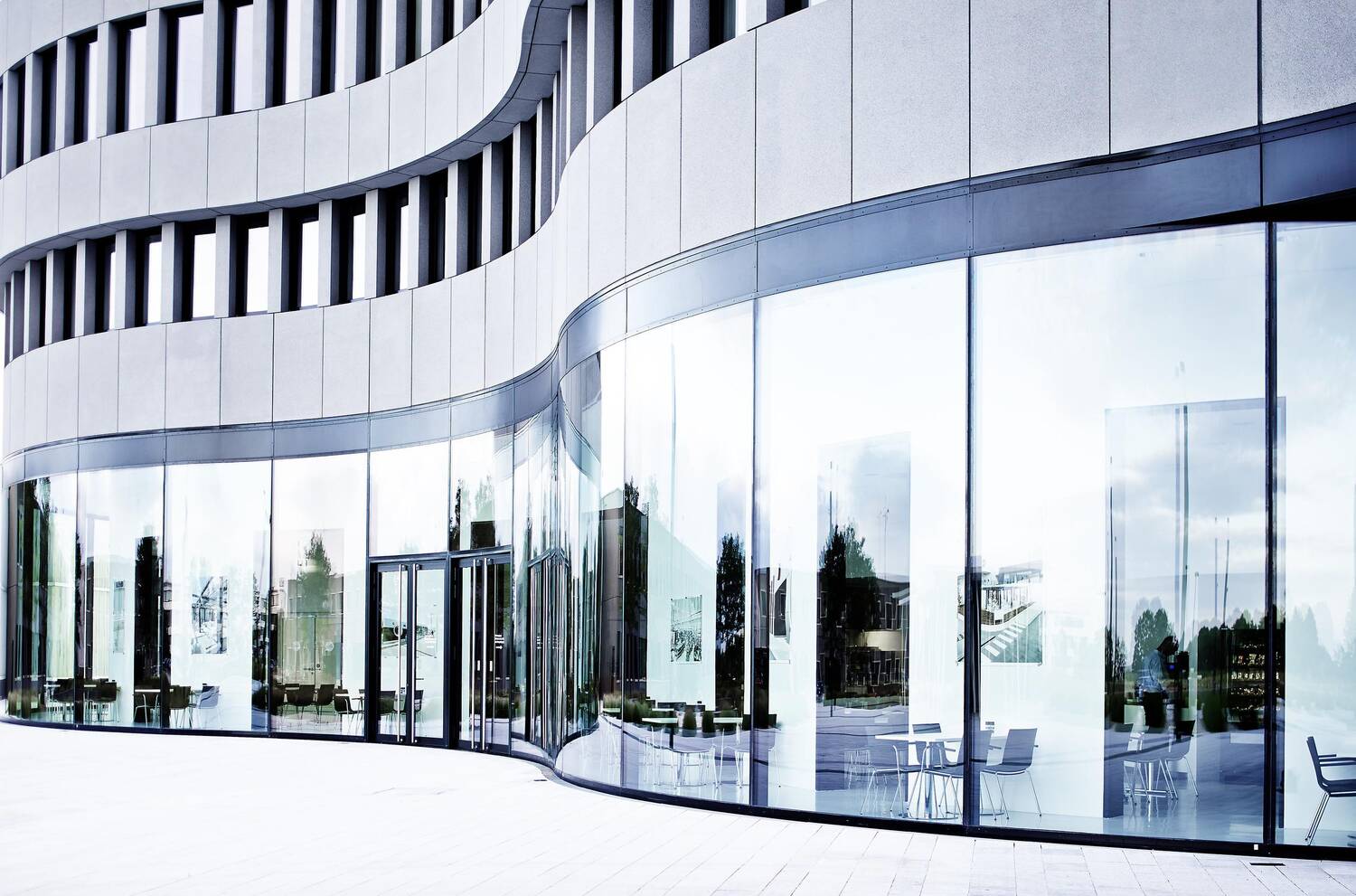
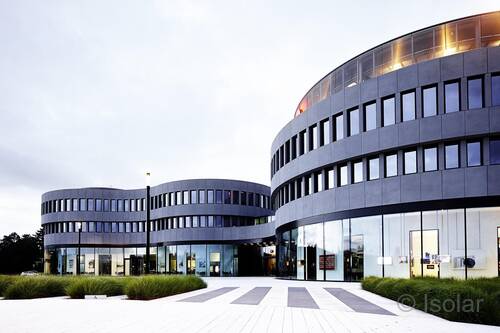
ISOLAR NEUTRALUX Leica Wetzlar Germany Copyright Arnold Glas 01

Why this distinction matters more today than ever

Glass now plays a greater role than ever in determining how a building performs — not just how it looks. Energy efficiency, comfort, and daylight all depend on the type of glazing you choose. And this is exactly where two worlds meet: solar control glass and thermal insulation glass.

Climate targets, the Building Energy Act (GEG 2023), and rising energy costs have suddenly made this distinction highly relevant. Glass surfaces are larger, buildings are more transparent, and the balance between heat and light is becoming increasingly complex.

Anyone involved in planning needs to understand: When should glass keep heat out — and when should it retain it inside?
Get expert advice now

Solar control glass – how it works and why it is so effective

Solar control glass is basically a silent climate regulator. It lets light in but blocks most of the heat radiation. This works thanks to ultra-thin coatings made of metal or metal oxide applied with state-of-the-art technology.
These layers are selective – they "recognize" which radiation is desired. Visible light enters the room, infrared radiation is reflected. It sounds simple but is quite sophisticated physically.


The values speak for themselves:

  • g-value: about 0.35 – 0.50 → only part of the solar energy passes through
  • LT (light transmission): approximately 50 – 70%
  • U-value (Ug): around 1.0 W/(m²·K)

In practice, this means less heat buildup, less glare, significantly more comfortable room temperatures. In winter, the heat remains longer because the coating also works inward.


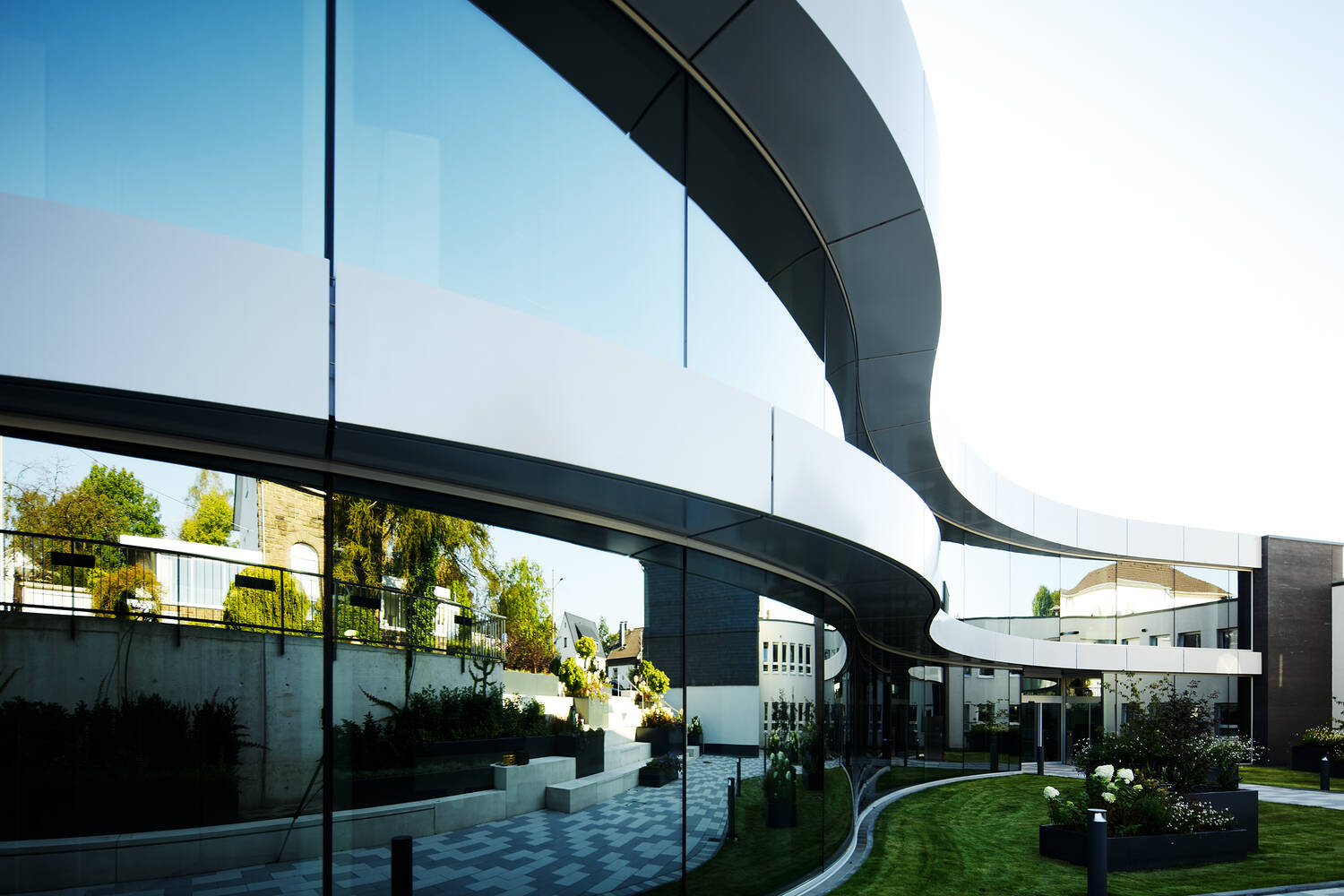
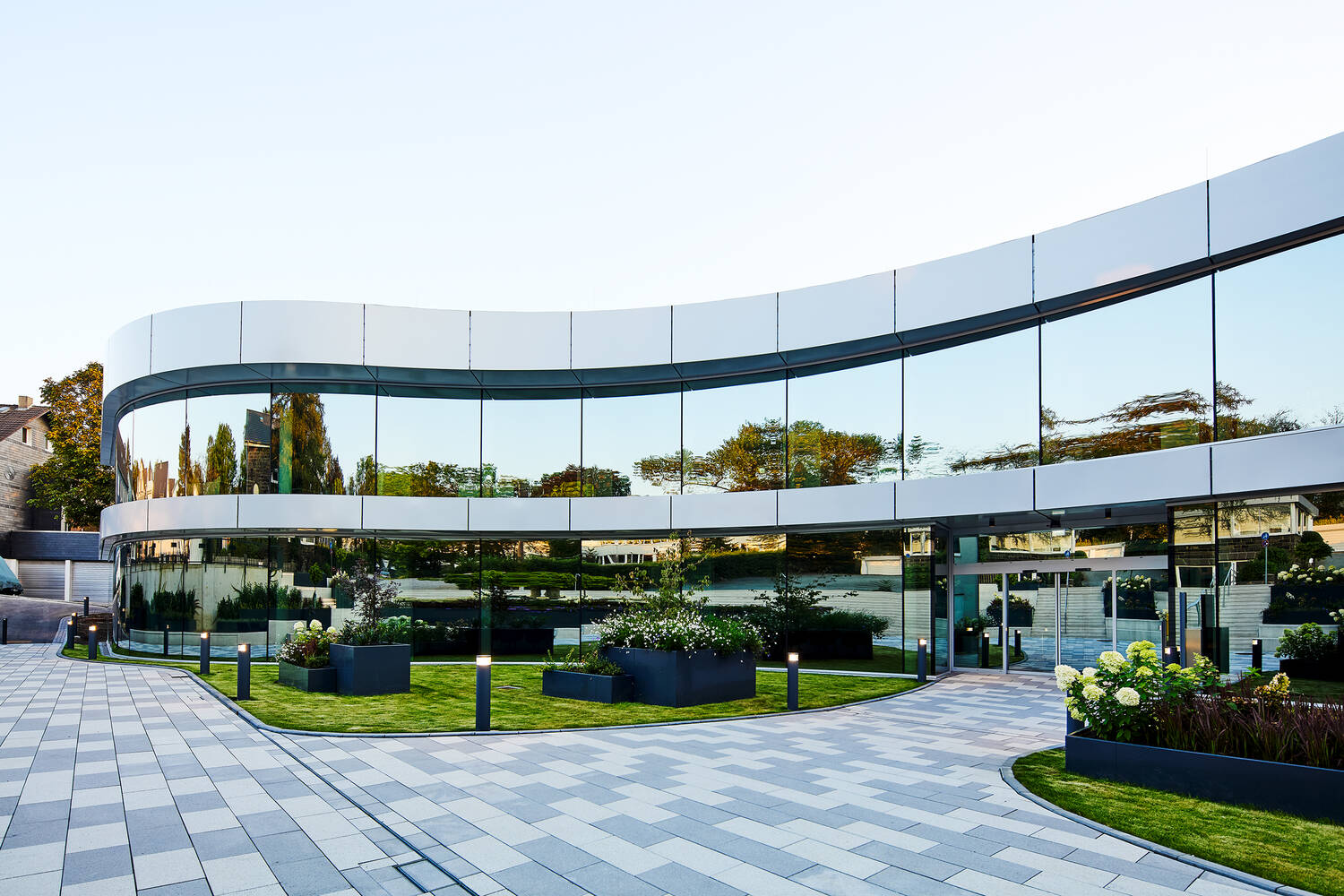
A good example in application is the SOLARLUX® Sonnenschutzglas. The coating lets in plenty of daylight but reflects heat radiation back outside. Especially in modern office buildings or large facades, this effect becomes noticeable – anyone who has sat once in a sun-drenched meeting room without blinds knows exactly why this matters.

Overview of Solar Control Glass What is the g-value?

Thermal insulation glass – invisible, yet crucial

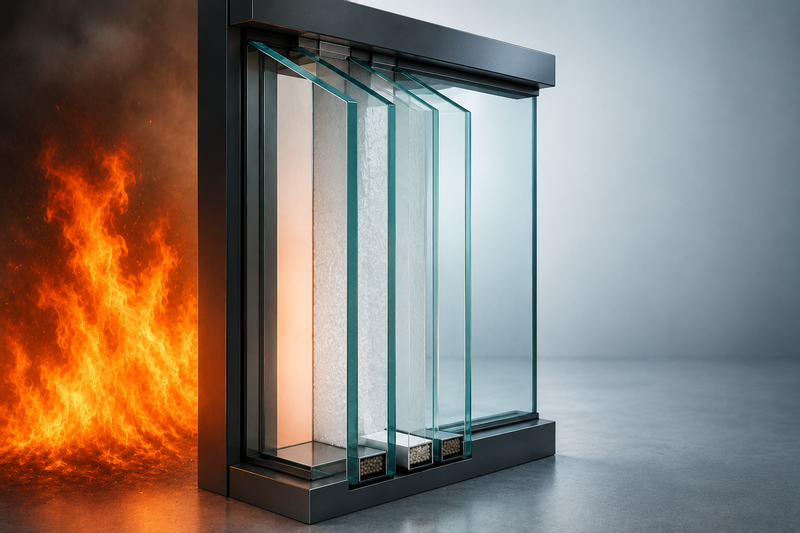
Thermal insulation glass is made from the same material — glass — but pursues the opposite function: it keeps heat inside. Its energy-saving performance is largely the result of advanced coating technology.

The principle: thermal radiation from inside the building hits the glass and is reflected back into the room. Heating energy stays where it’s needed. And because the coating has virtually no impact on visible light, the glass remains clear and bright.

Typical performance values:

  • U-value (Ug): 0.5 – 1.0 W/(m²·K)
  • g-value: 0.50 – 0.65
  • LT (light transmission): up to 80%

Depending on the type and filling level of the noble gas in the cavity, the Ug-value of the glazing can be further optimized.

These types of glazing are ideal for north- and east-facing façades, living spaces, passive houses, or anywhere solar gains are low but heat losses would be costly.

Thermal Insulation Glass at a Glance

Two types of glass – two energy flows

The simplest way to understand the difference:

Solar control glass works from the outside in, while thermal insulation glass works from the inside out.

PropertySolar Control GlassThermal Insulation Glass
ObjectiveReduce heat gainPrevent heat loss
g-value0.35 – 0.500.50 – 0.65
U-value (Ug)down to 0.5 W/(m²·K)down to 0.5 W/(m²·K)
LT (light transmission)40 – 70%up to 80%
Coatingselective, on the outer pane of the IGUlow-E, on the inner pane of the IGU
Typical applicationsouth/west façades, conservatories, officesnorth façades, residential buildings, passive houses

The effect becomes clear:

Solar control glass protects against summer heat, while thermal insulation glass keeps warmth inside during winter.
Used together in a targeted way, both systems interlock like gears.

Where each type of glass works best

Solar control glass

  • ideal for façades exposed to strong sunlight

  • essential for glass roofs or conservatories

  • especially useful when external shading is not possible

Thermal insulation glass

  • perfect for shaded building sides

  • suitable for cold climates or passive house concepts

  • helps reduce heating costs and prevents condensation

In many projects, the combination is what truly matters.
An office building in southern Germany, for example, might use highly reflective solar control glass on its south façade — and high-performance thermal insulation glass on the north side. This way, you benefit from both strengths without compromising comfort or design.

Standards, certifications and planning

Designers and planners rely on clear technical foundations:

  • DIN EN 410: Light and solar energy transmission values
  • EN 673: Calculation of thermal transmittance
  • EN 1096: Quality requirements for coated glass
  • DIN 4108-2: Summer thermal protection
  • GEG 2023: Legal minimum requirements for energy efficiency

These standards form the basis for calculations and energy performance certificates — and they determine how glazed areas are assessed in the building’s energy report.

Cost, benefits and service life

Solar control glass is more technically sophisticated and more expensive than standard insulating glass, but it almost always pays off over its lifetime: air-conditioning systems run less, indoor temperatures remain stable, and working conditions improve.

Thermal insulation glass pays for itself through heating energy savings. In existing buildings, simply replacing the panes can significantly improve the energy balance — without having to replace the window frames. Both types are durable, maintenance-free and stable in performance. The coatings are protected inside the insulating glass unit and retain their function for decades.

Planning in practice

Good glazing starts with the right analysis. First the orientation, then the use. How long does the sun hit the surface? How will the space be used — as an office, living area, or circulation zone? Only then do you decide on g- and U-values, tinting and light transmission.

Aesthetic coherence also matters: colour tone, reflection and transparency can be coordinated so that the façade appears uniform — even when different types of glass are combined.

Looking ahead

Development is not standing still. New coatings are becoming more transparent, smarter and in some cases even controllable. Electrochromic glass that darkens at the push of a button, or coatings with variable selectivity, are already market-ready. And glass is increasingly becoming an energy source itself — with integrated photovoltaics or heat recovery.

Solar control and thermal insulation glass remain the foundation: the physical basis of every modern building envelope.

Both types pursue the same goal — saving energy — but in opposite ways. Solar control glass keeps the sun out; thermal insulation glass keeps the heat in. When used correctly, they complement each other perfectly.

For planners, the question is therefore not which glass is “better,” but which combination is right. This is how you create an indoor climate that feels consistently comfortable throughout the year — without relying on technical tricks.

1. What distinguishes solar control glass from thermal insulation glass?

Solar control glass reflects heat from the outside, while thermal insulation glass keeps heat inside the building.

2. Can one type of glass do both?

Yes. There are multifunctional glazing types that combine both properties — ideal for changing or mixed requirements.

3. Which performance values matter?

The g-value shows how much solar energy passes through, the U-value indicates the insulation performance, and LT (light transmission) describes the amount of visible light entering the room.

4. When is solar control glass particularly worthwhile?

Wherever large glazed areas are exposed to direct sunlight — for example on south-facing façades or in atriums.

5. How do the glasses look visually?

Solar control glass is slightly tinted or neutrally reflective, while thermal insulation glass is usually colour-neutral.

© 2025 ISOLAR  – Expertise in Glass and Energy Efficiency

ISOLAR GLAS Beratung GmbH
Otto-Hahn-Straße 1
55481 Kirchberg
Routenplaner (www)