Bird protection glass: Why it is becoming increasingly important for nature conservation, sustainability, and modern architecture

ORNILUX® mikado is bird protection glass featuring an irregular UV-reflective “mikado” pattern that is nearly invisible to humans but clearly visible to birds, preventing collisions effectively.

Glass is one of the most defining materials in architecture.

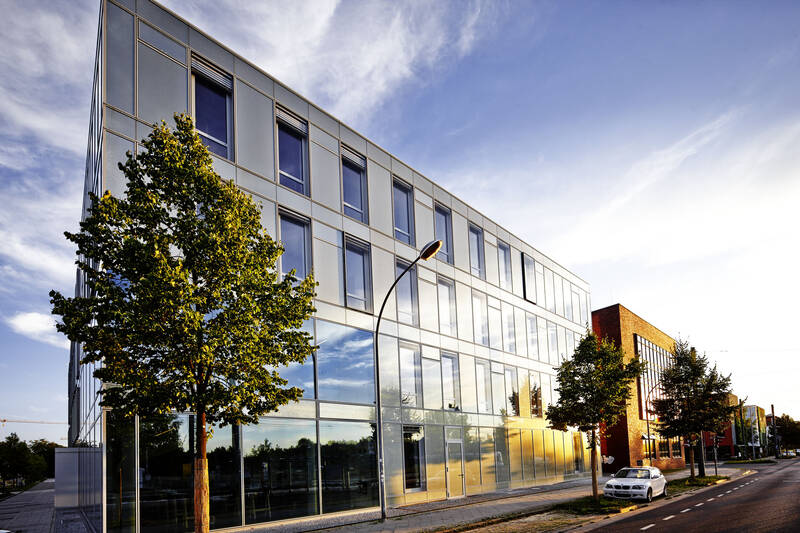
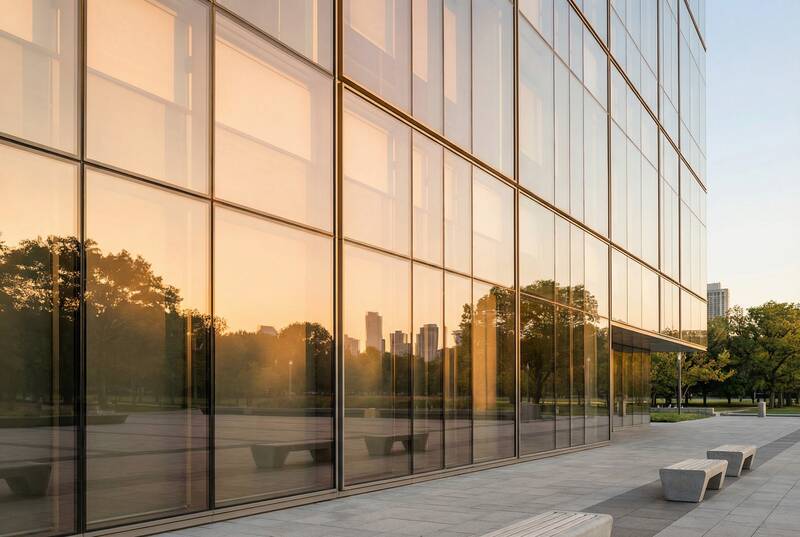
It shapes façades, creates transparency, and enables light-filled spaces. Yet these very qualities lead to a problem that was long underestimated: for birds, glass is often invisible. Reflections and visual transparency of the surroundings create hazardous situations for them — with ecological consequences that go far beyond individual collisions.

Today, the question is no longer whether architecture must take responsibility, but how. And this is precisely where bird protection glass gains strategic importance.

What bird protection has to do with nature conservation

Birds are key players in natural and urban ecosystems. They regulate insect populations, disperse seeds, support the regeneration of vegetation, and act as early indicators of changes in ecosystems. When bird populations come under pressure, this affects other species, urban green spaces, and even agricultural crops.

Modern cities continue to grow — and with them, glass surfaces. If façades, conservatories, or transitional areas are not designed to be bird-friendly, collision risks arise that can directly impact biodiversity.

Bird protection glass is therefore an active contribution to nature conservation.

It not only protects animals, but also helps stabilize entire ecological systems.

Sustainability in construction: thinking beyond energy efficiency

Today, sustainability encompasses far more than insulation values, CO₂ reduction, or efficient building services. Buildings are increasingly viewed as integral components of urban ecosystems. Biodiversity is becoming a key evaluation criterion — not only in public tenders, but also in ESG reporting and certification systems such as DGNB, BREEAM, or LEED.

Get project advice

Bird protection glass fulfills several sustainability goals at the same time:

Protection of biodiversity
Reduction of human-caused animal fatalities
Improvement of the ecological performance of buildings
Better ratings in sustainability certification systems
Compatibility with energy-efficient glazing constructions
The key point: architectural design and ecological responsibility are not in conflict — they complement each other.

Modern architecture: transparency meets responsibility

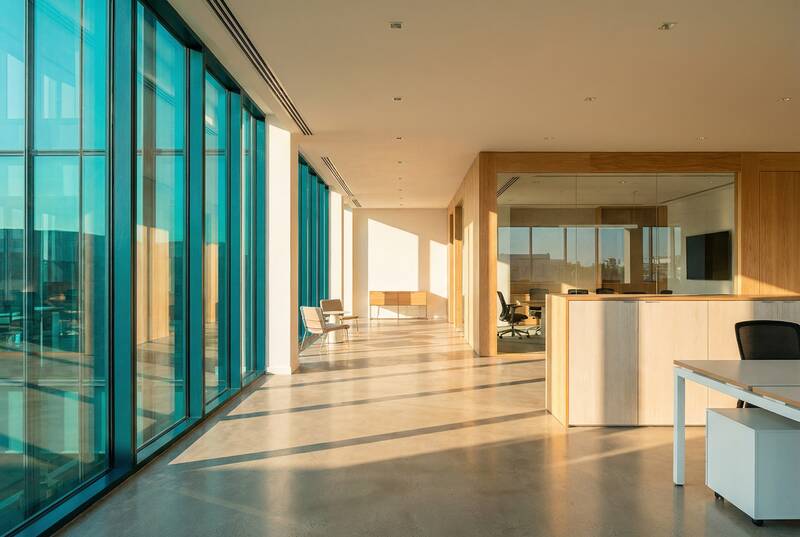
Glass stands for openness, lightness, and design freedom. At the same time, it is a material that must be used consciously in order to avoid creating unintended ecological barriers.
Today, the central question is:
How can architecture remain bright and transparent without becoming a risk to birds?
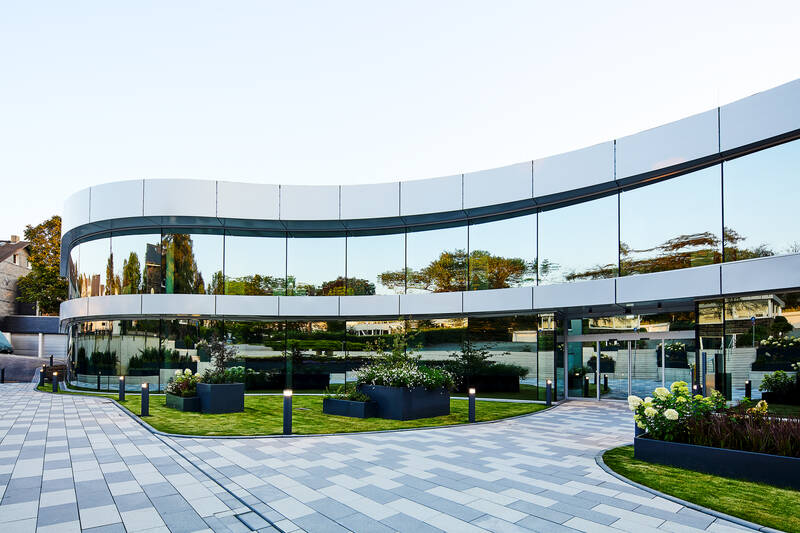
The answer lies in bird protection glass that is visually integrated into the architecture — either almost invisibly (e.g. through UV-active structures) or deliberately as a graphic pattern that becomes part of the architectural expression.
This is where technologies such as the ORNILUX® solutions developed within the ISOLAR network play an important role. They are based on scientifically validated patterns and coatings that make glass visible to birds without compromising architectural design. The range extends from transparent UV structures to precise line or dot patterns applied to the outer glass surface.

How bird protection glass works — and why testing is crucial

No bird protection glass should be left to chance. What matters is how birds actually respond. For this reason, professional bird protection glass is tested in flight tunnel experiments.
In these tests, birds instinctively fly toward light and choose between:
a reference pane without markings
a test pane with bird protection markings
A lower approach rate demonstrates effectiveness. Within the ISOLAR network, this process has been standard for years: all ORNILUX® variants are tested in recognized flight tunnels in Austria and the USA.
Many ORNILUX glass configurations demonstrably achieve a high effectiveness category.
For architects and planners, this means working with reliable, scientifically proven solutions.

Bird protection glass in practice: where it is especially important

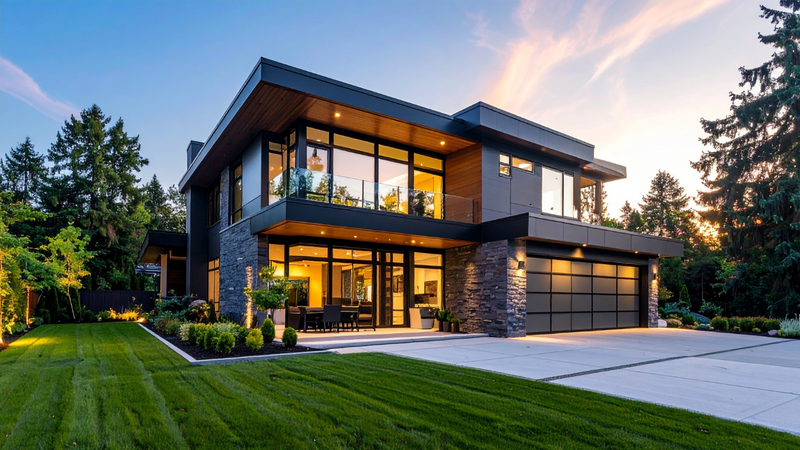
Bird protection glass is now relevant for many projects — not just special cases. Typical areas of application include:

  • façades with reflective surfaces

  • glass bridges, connectors, and atriums

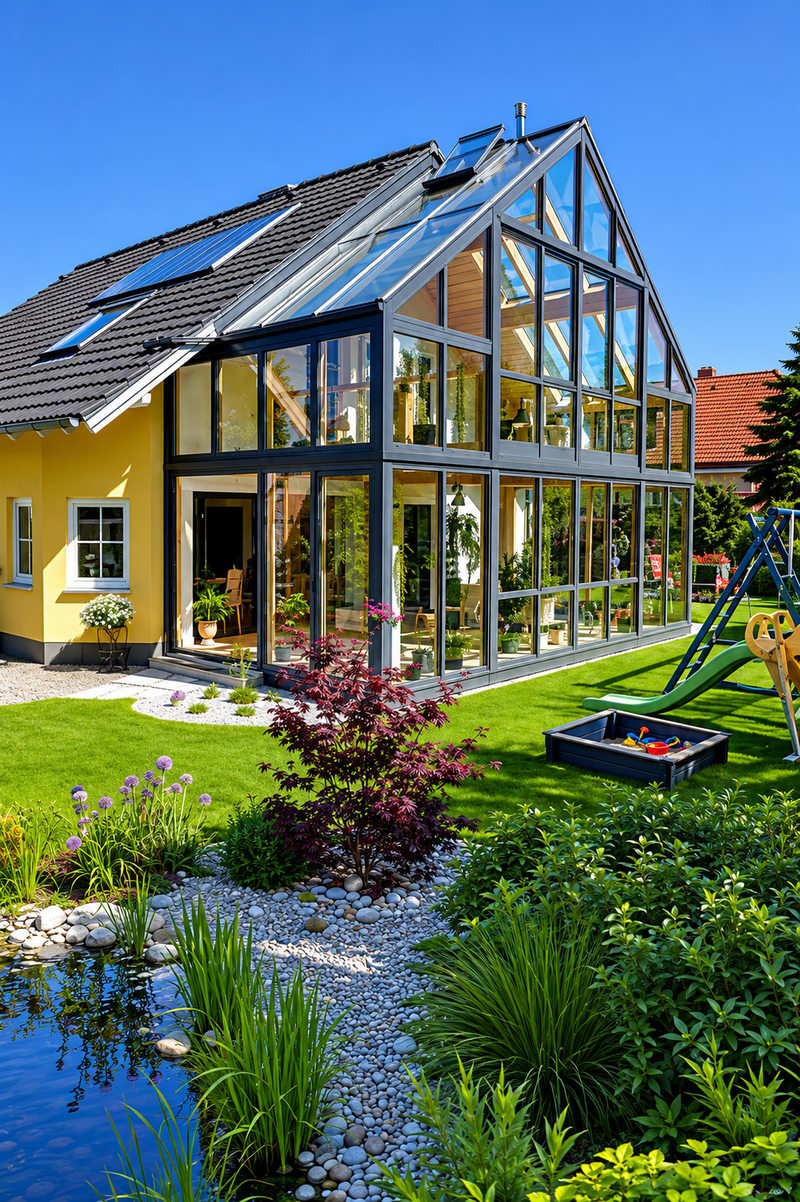
  • conservatories and large-scale windows

  • buildings near trees, bodies of water, or green spaces

  • modern office and educational buildings

  • public buildings with high visitor traffic

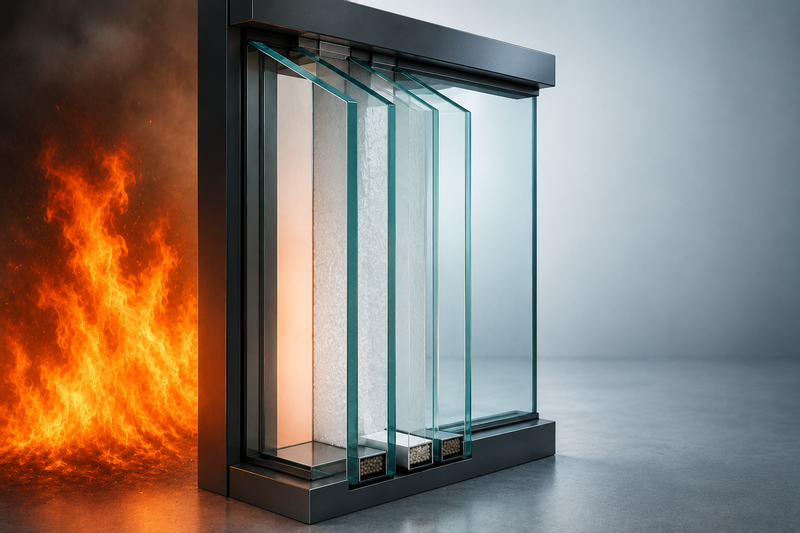
Today, bird protection glass can almost always be implemented without visual compromise. It can be combined with thermal insulation, solar control, radio transparency, sound insulation, or safety functions, making it a direct replacement for conventional glazing — with the added benefit of ecological value.

Why ISOLAR / ORNILUX® plays a special role in this field

Since 2003, companies within the ISOLAR network have been intensively engaged with the question of how glass can be developed to meet both architectural demands and ecological requirements. This research led to the creation of ORNILUX® — a family of tested bird protection glass solutions.

What makes it special:

  • scientifically tested in flight tunnels
  • different technical principles: UV structures and metallic patterns
  • compatible with modern glazing functions
  • can be used like conventional insulating or laminated glass

ORNILUX® is not integrated into projects as a “special solution,” but as an equivalent façade glass that additionally makes a measurable contribution to species protection.

It is precisely this reliability that makes bird-friendly glazing attractive to architects and planners. It remains an aesthetic, high-performance technical material — enhanced by an ecological dimension that is increasingly expected today.

Request consultation

Conclusion: Bird protection glass is part of a new architectural mindset

Sustainability, nature conservation, and architecture can no longer be separated. Glass façades shape our cities — and therefore carry responsibility. Bird protection glass makes it possible to actively assume this responsibility without compromising design or technical performance.

It represents an architecture that:

  • remains transparent,

  • but is not blind to its environment,

  • remains aesthetic,

  • but thinks ecologically,

  • is innovative,

  • but considerate.

For everyone planning or building today, bird protection glass is no longer an add-on — it is an integral part of modern, responsible architecture. Solutions such as ORNILUX® demonstrate how the demands of design and nature conservation can be combined in a contemporary and forward-looking way.

Many buildings rely on stickers or silhouettes to prevent bird strikes. However, well-intentioned measures are not automatically effective. Learn why these solutions often fail in practice — and which criteria truly matter.

Bird protection vs. stickers

© 2025 ISOLAR – Expertise in Glass and Energy Efficiency

ISOLAR GLAS Beratung GmbH
Otto-Hahn-Straße 1
55481 Kirchberg
Routenplaner (www)